
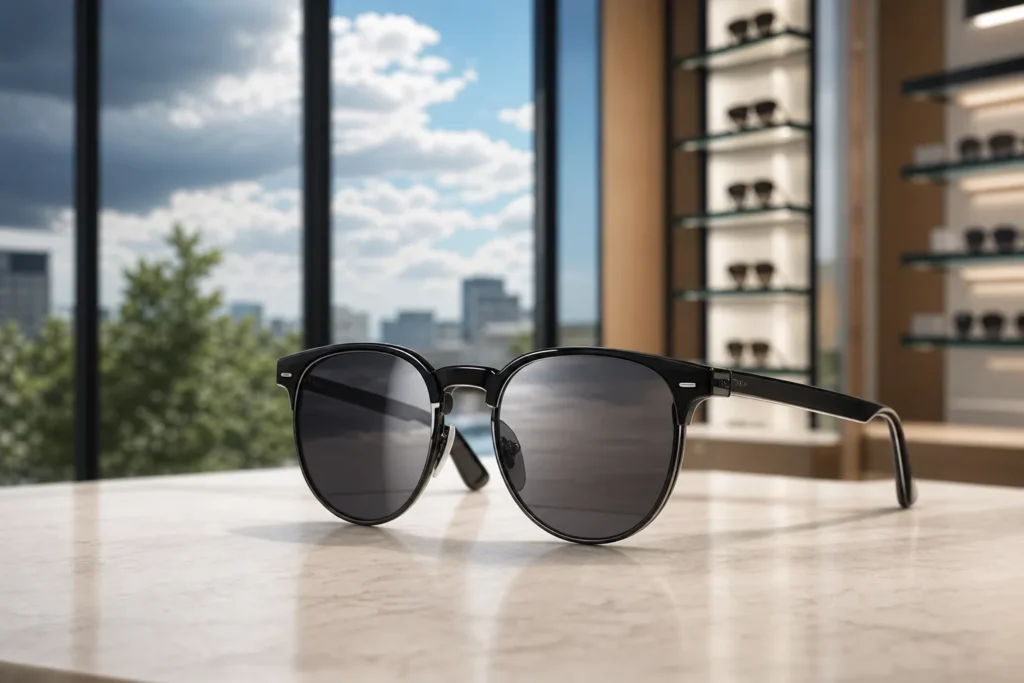
The Rise of Photochromic Sunglasses: A Game Changer for Retailers
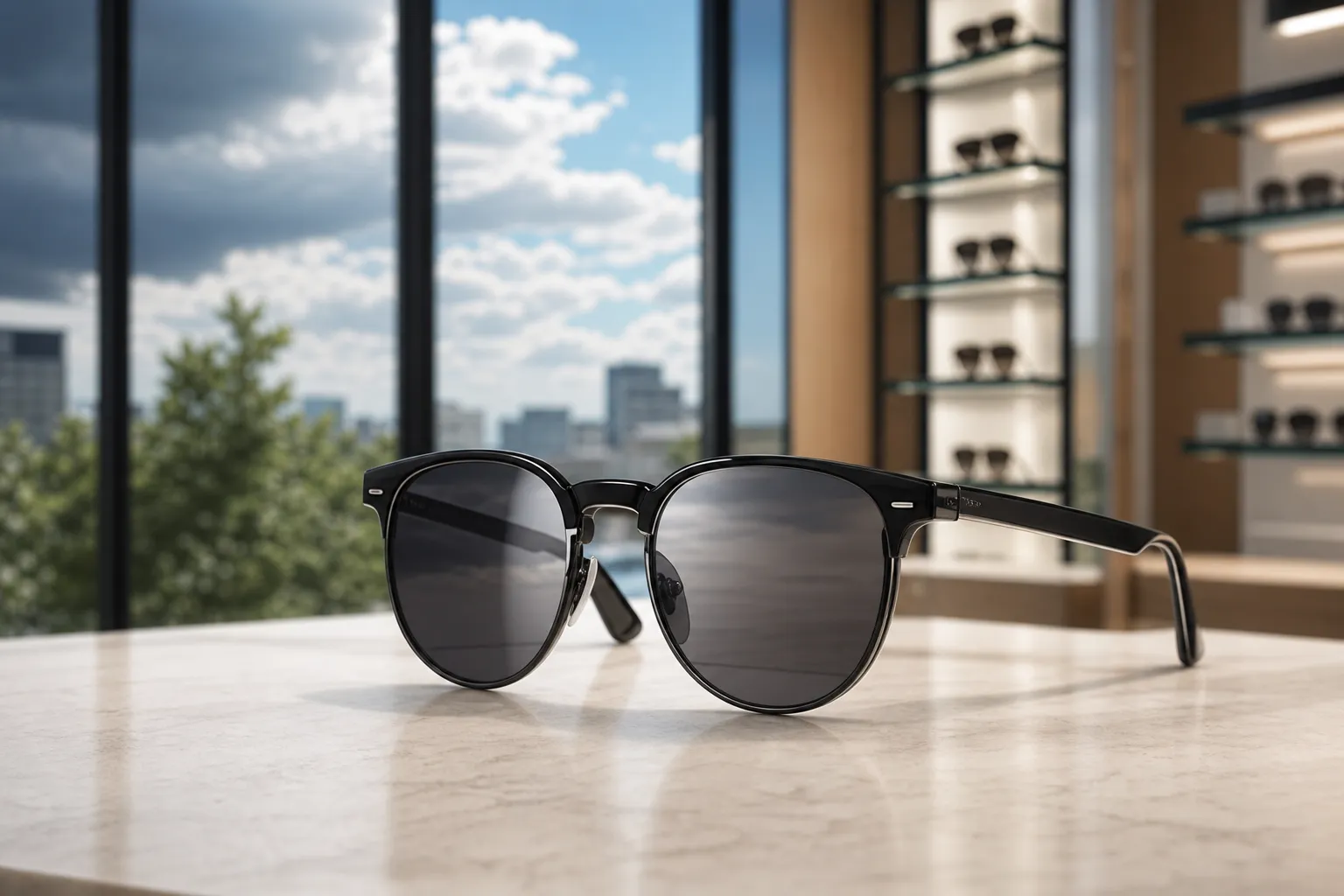
Photochromic sunglasses are transforming the eyewear landscape by automatically adjusting their tint to align with surrounding light conditions. These advanced lenses darken under bright sunlight and become clear indoors or in low-light settings. The journey of photochromic technology began in the 1960s with the introduction of the first photochromic lenses. Over the years, advancements in lens technology have significantly enhanced their performance, durability, and visual appeal, making photochromic sunglasses increasingly popular among consumers.
Key Specifications of Photochromic Sunglasses
Lens Technology
Photochromic sunglasses incorporate specialized photochromic dyes that are embedded in the lens material. When exposed to ultraviolet (UV) light, these dyes undergo a chemical reaction that causes the lenses to darken. Over time, this technology has evolved from traditional glass lenses to modern lightweight polycarbonate and high-index plastic options, which offer enhanced comfort and durability.
UV Protection Levels
A standout feature of photochromic sunglasses is their ability to deliver excellent UV protection. Most photochromic lenses block 100% of harmful UVA and UVB rays, which is crucial for safeguarding the eyes against long-term damage. Retailers can leverage this safety feature to attract health-conscious consumers who prioritize eye protection.
Transition Speed and Clarity
The transition speed of photochromic lenses has improved dramatically. Typically, modern lenses transition from clear to dark within 30 seconds to a few minutes, depending on the intensity of UV exposure. Additionally, advancements in lens technology have enhanced optical clarity, ensuring minimal distortion for wearers.
Benefits for Eyewear Retailers
Increased Customer Satisfaction
From my experience, offering photochromic sunglasses can significantly boost customer satisfaction. Consumers value the convenience of having one pair of glasses that can adapt to various environments, which reduces the need to switch between regular sunglasses and prescription eyewear.
Competitive Advantage
In a crowded eyewear market, retailers that carry photochromic sunglasses can set themselves apart from competitors. By highlighting the unique benefits of these lenses, retailers can attract a broader audience, including those who might not have initially considered sunglasses a necessary purchase.
Versatile Product Range
Photochromic sunglasses are available in a wide array of styles, colors, and lens options, enabling retailers to cater to diverse customer preferences. This versatility can enhance cross-selling and upselling opportunities, ultimately boosting overall sales.
Use Cases for Photochromic Sunglasses
Everyday Wear
For daily users, photochromic sunglasses offer an ideal solution for transitioning between indoor and outdoor settings. They are especially popular among commuters and individuals who frequently navigate changing light environments.
Sports and Outdoor Activities
Athletes and outdoor enthusiasts greatly benefit from photochromic sunglasses, as they provide essential eye protection while adapting to varying light conditions. Whether hiking, cycling, or engaging in sports, these sunglasses enhance visibility and comfort.
Prescription Options
Photochromic lenses can also be customized with prescription options, making them suitable for individuals requiring vision correction. This expands the potential customer base for retailers, allowing them to attract both fashion-conscious and function-driven consumers.
Comparing Photochromic Sunglasses to Traditional Sunglasses
Performance in Different Lighting Conditions
Unlike traditional sunglasses, which maintain a constant tint regardless of lighting, photochromic sunglasses adjust dynamically. This feature allows for optimal visibility and comfort in varying conditions, making them a superior choice for many users.
Durability and Maintenance
Modern photochromic lenses are designed to be durable and resistant to scratches, similar to high-quality traditional sunglasses. However, they may require specific care to maintain their performance, which retailers should effectively communicate to customers.
Cost Analysis
While photochromic sunglasses may come with a higher initial price tag compared to standard sunglasses, their multifunctionality often makes them more cost-effective over time. Retailers should emphasize this aspect to appeal to budget-conscious consumers.
Sourcing Photochromic Sunglasses
Finding Reliable Suppliers
Retailers should prioritize partnerships with reputable suppliers specializing in photochromic lenses. Establishing relationships with manufacturers known for quality and innovation can enhance product offerings and build customer trust. For example, consider exploring the range of products available at Taizhou Xinhe Glasses Shares Co., Ltd..
Evaluating Quality and Pricing
When sourcing photochromic sunglasses, evaluating both quality and pricing is essential. Retailers should consider lens technology, UV protection levels, and overall durability during their purchasing decisions. For more information on eyewear sourcing, visit Sourcing Tips.
Import Regulations and Considerations
For retailers looking to import photochromic sunglasses, understanding relevant regulations and compliance standards is crucial. This includes ensuring that products meet safety and quality standards specific to the target market.
Implementing Photochromic Sunglasses in Retail
Display and Marketing Strategies
Effective display strategies can significantly enhance the visibility of photochromic sunglasses in retail settings. Eye-catching displays that showcase the unique features of these lenses can attract consumer interest and drive sales.
Staff Training and Customer Education
Educating staff about the benefits and functionalities of photochromic sunglasses is vital for effective sales. Well-informed employees can better assist customers, answer questions, and promote the product effectively.
Inventory Management Tips
Maintaining a balanced inventory of photochromic sunglasses is essential. Retailers should analyze sales trends and customer preferences to ensure they stock popular styles and sizes, minimizing overstock while maximizing sales potential.
Frequently Asked Questions
Are Photochromic Sunglasses Suitable for Everyone?
While photochromic sunglasses are suitable for most individuals, specific conditions or preferences may affect their suitability. Retailers should encourage customers to consult with an eye care professional if they have concerns.
How Do They Compare to Polarized Sunglasses?
Both photochromic and polarized sunglasses serve to protect the eyes, but they address different needs. Polarized lenses reduce glare from reflective surfaces, while photochromic lenses adapt to light conditions. Retailers can educate customers on the benefits of each to help them make informed choices.
What Are the Care Instructions?
Proper care is essential for maintaining the effectiveness of photochromic sunglasses. Retailers should provide customers with care instructions, including how to clean the lenses and store them safely.
Conclusion
The rise of photochromic sunglasses presents a significant opportunity for eyewear retailers. By understanding the technology, benefits, and market potential of these innovative lenses, retailers can effectively position themselves to meet consumer demands. As awareness and preference for photochromic sunglasses continue to grow, those who adapt and incorporate these products into their offerings stand to gain a competitive edge in the evolving eyewear market. For further insights, consider referencing this industry reference or this technical reference. Additionally, learn more about eyewear trends at Eyewear Trends and explore the benefits of UV Protection.