
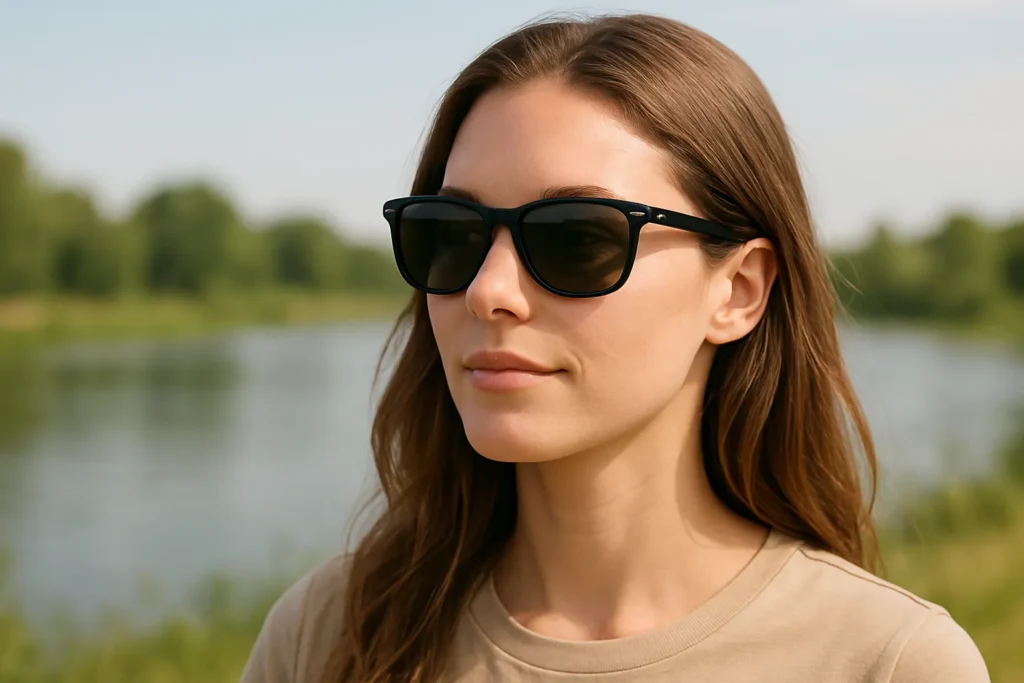
Polarized Sunglasses: Key Benefits, Uses, and Selection Tips
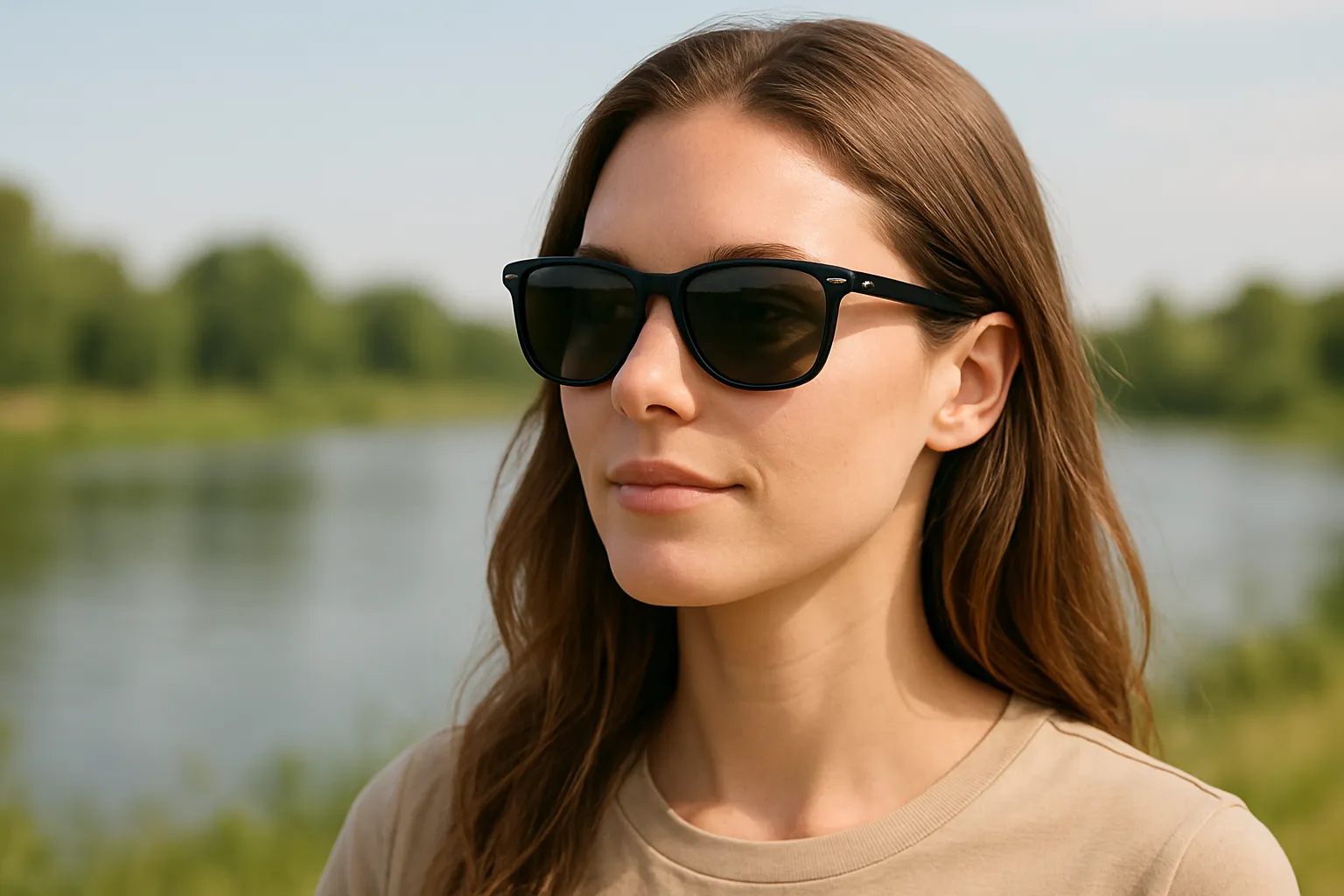
Choosing the right polarized sunglasses is essential for protecting your eyes and enhancing your vision. Polarized sunglasses reduce glare from reflective surfaces, improving visual clarity and comfort in bright conditions. They are particularly beneficial for activities like driving, fishing, or skiing, where glare can be distracting or dangerous.
However, polarized lenses have limitations. Understanding when they excel and when they may not be the best choice is crucial. This guide covers the benefits and drawbacks of polarized sunglasses, when to use them, and practical advice for selecting the right pair.
Understanding Polarized Sunglasses
Polarized lenses address glare from surfaces like water, snow, or roads. They contain a filter that blocks certain light waves, specifically those reflected off horizontal surfaces. This significantly enhances visibility and reduces eye strain, making polarized sunglasses ideal for outdoor activities.
The science behind polarized lenses involves a polarizing film sandwiched between lens layers. When light reflects off a surface, it becomes polarized, traveling horizontally. Polarized lenses have vertical filters that allow only vertical light waves to pass through, blocking horizontal glare and improving visual clarity.
While polarized lenses effectively reduce glare, they may not be suitable in all scenarios. For example, they can make it difficult to read certain digital screens due to their light-filtering properties. Additionally, they may hinder visibility in low-light environments, such as twilight or dimly lit areas.
Benefits of Polarized Sunglasses
Polarized sunglasses offer several key advantages:
- Glare Reduction: They block horizontal light waves, reducing glare from reflective surfaces, which is especially useful for fishing, boating, or driving.
- Improved Clarity: By filtering out distracting reflections, polarized sunglasses provide sharper vision and enhanced color contrast.
- Comfort: They reduce eye strain and fatigue from prolonged exposure to bright sunlight, making them valuable for outdoor activities.
However, be aware of limitations. Polarized lenses may reduce visibility of digital screens, so consider this when driving or using devices.
Limitations of Polarized Sunglasses
Despite their benefits, polarized sunglasses have drawbacks:
- Performance in Certain Environments: They can impair visibility of icy patches while skiing or reduce contrast in specific lighting conditions.
- Distortion of Colors: Polarized lenses may alter color perception, not ideal for activities requiring precise color differentiation.
- User Suitability: Some individuals with specific eye conditions may find polarized lenses uncomfortable.
For night driving, avoid polarized lenses as they can decrease visibility of headlights. Always assess your environment when selecting sunglasses.
Best Uses for Polarized Sunglasses
Polarized sunglasses are beneficial in specific scenarios:
- Outdoor Activities: Ideal for fishing, boating, or skiing where glare is significant.
- Driving: Reduces glare from the pavement, enhancing road visibility, but check compatibility with digital screens.
- Beach and Pool: Provides relief from glare, making it easier to relax or engage in water activities.
- Mountain Sports: Essential for skiing or snowboarding, protecting against UV rays and enhancing contrast on slopes.
Understanding when to use polarized sunglasses maximizes their benefits while avoiding downsides.
Selecting the Right Polarized Sunglasses
Choosing the right polarized sunglasses involves several key factors:
- Lens Quality: Ensure lenses provide 100% UV protection and meet safety standards.
- Lens Tint: Consider how tint affects visibility; gray for true color perception, brown for enhanced contrast.
- Frame Fit: Ensure a snug but comfortable fit to avoid discomfort during use.
- Polarization Test: Check polarization by viewing a reflective surface at an angle.
- Avoid Cheap Options: Low-quality lenses may compromise performance.
- Durability: Look for impact-resistant materials for active use.
- Style and Purpose: Choose a style that suits your personality and intended use.
Frequently Asked Questions About Polarized Sunglasses
How do polarized lenses work? They filter light waves, reducing glare from reflective surfaces.
What are the best situations for using polarized sunglasses? Ideal for bright, sunny days, especially during activities on water or snow.
What are the drawbacks of polarized lenses? They can distort visibility of LCD screens and may reduce contrast in certain lighting.
How can I choose the right polarized sunglasses? Identify your primary use, check lens quality, and ensure a comfortable fit.
Is UV protection included with polarized sunglasses? Not all polarized lenses provide UV protection; always check ratings.