
How to Choose UV Protection Sunglasses for Your Retail Store
**1. Understanding UV Protection**
*What is UV Protection?*
UV protection refers to the ability of sunglasses to block harmful ultraviolet (UV) rays emitted by the sun. These rays can cause serious damage to the eyes, leading to conditions such as cataracts, macular degeneration, and even skin cancer around the eyelids. Sunglasses with effective UV protection are designed to shield the eyes from these harmful rays, ensuring both comfort and safety for the wearer.
*Importance of UV Protection in Sunglasses*
For retailers, offering sunglasses with UV protection is not just a matter of compliance; it’s a responsibility. Consumers are becoming increasingly aware of the risks associated with UV exposure, making it essential for retailers to stock products that prioritize eye health. Sunglasses that provide adequate UV protection can enhance your store’s reputation, attract health-conscious customers, and encourage repeat business. For more insights on the significance of UV protection, you can refer to this industry reference.
**2. Key Specifications to Consider**
*UV Protection Ratings*
When selecting sunglasses for your retail store, understanding UV protection ratings is crucial. Look for sunglasses that provide 100% UV protection or those labeled with UV400, which indicates they block all light rays with wavelengths up to 400 nanometers. This level of protection is essential for ensuring customer safety and satisfaction.
*Lens Material Types*
The material of the lenses also impacts UV protection. Polycarbonate lenses are lightweight and impact-resistant, making them ideal for active lifestyles. Glass lenses offer excellent optical clarity but can be heavier and more prone to shattering. Additionally, polarized lenses reduce glare and improve visibility, making them a popular choice among outdoor enthusiasts. For more detailed information on polarized lenses, check out our guide on Polarized Sunglasses: Benefits and Stocking Tips.
*Frame Styles and Durability*
The style and durability of the frames are equally important. Sunglasses should not only be functional but also fashionable to appeal to a wide range of customers. Consider offering various styles, from sporty wraparounds to classic aviators. Durability is key; frames made from materials like nylon or stainless steel tend to withstand wear and tear better than plastic alternatives.
**3. Use Cases for UV Protection Sunglasses**
*Outdoor Retail Settings*
In outdoor retail environments, sunglasses are often a necessity. Customers engaging in activities such as hiking, biking, or beachgoing will prioritize UV protection. Stocking a variety of sunglasses tailored for these activities can enhance customer satisfaction and drive sales. For ideas on styles, visit our industry news section.
*Seasonal Demand Considerations*
Seasonality plays a significant role in sunglasses sales. During the summer months, demand typically peaks as consumers seek protection from the sun. However, winter sports enthusiasts also require UV protection, as snow can reflect harmful rays. Understanding these seasonal trends can help in planning inventory effectively.
*Target Customer Demographics*
Identifying your target customer demographics is vital. Families with children, athletes, and fashion-conscious individuals may have different needs and preferences. Tailoring your selection to meet these diverse demands can help in maximizing sales and ensuring customer loyalty.
**4. Comparing Different Brands and Products**
*Brand Reputation and Trustworthiness*
When sourcing UV protection sunglasses, consider the reputation of the brands you choose to stock. Established brands often have a proven track record in quality and customer service, which can enhance your store’s credibility. Researching brand histories and their commitment to UV protection can guide your selection process.
*Price vs. Quality Analysis*
Balancing price and quality is essential. While it may be tempting to choose cheaper options, investing in higher-quality sunglasses can lead to better customer satisfaction and fewer returns. Conducting a thorough price analysis while considering quality factors will help you make informed purchasing decisions.
*Customer Reviews and Feedback*
Customer reviews can provide valuable insights into the performance and durability of sunglasses. Encouraging feedback from customers who purchase sunglasses from your store can help you refine your product offerings and ensure you are meeting their needs effectively.
**5. Sourcing UV Protection Sunglasses**
*Finding Reliable Suppliers*
Finding reliable suppliers is crucial for stocking your retail store with quality UV protection sunglasses. Attend trade shows, network within the industry, and seek recommendations from other retailers to identify trustworthy sources. Establishing strong relationships with suppliers can also lead to better pricing and support.
*Wholesale vs. Retail Pricing*
Understanding the difference between wholesale and retail pricing is essential for profitability. Wholesale pricing allows retailers to purchase products at a lower cost, which can then be marked up for retail sales. Ensure that your pricing strategy reflects both the quality of the sunglasses and the market demand.
*Minimum Order Quantities*
Be aware of minimum order quantities when sourcing sunglasses. Some suppliers may require bulk purchases, which can impact your cash flow. Assess your store’s capacity to manage inventory while ensuring you meet supplier requirements.
**6. Implementation in Your Retail Store**
*Display and Merchandising Strategies*
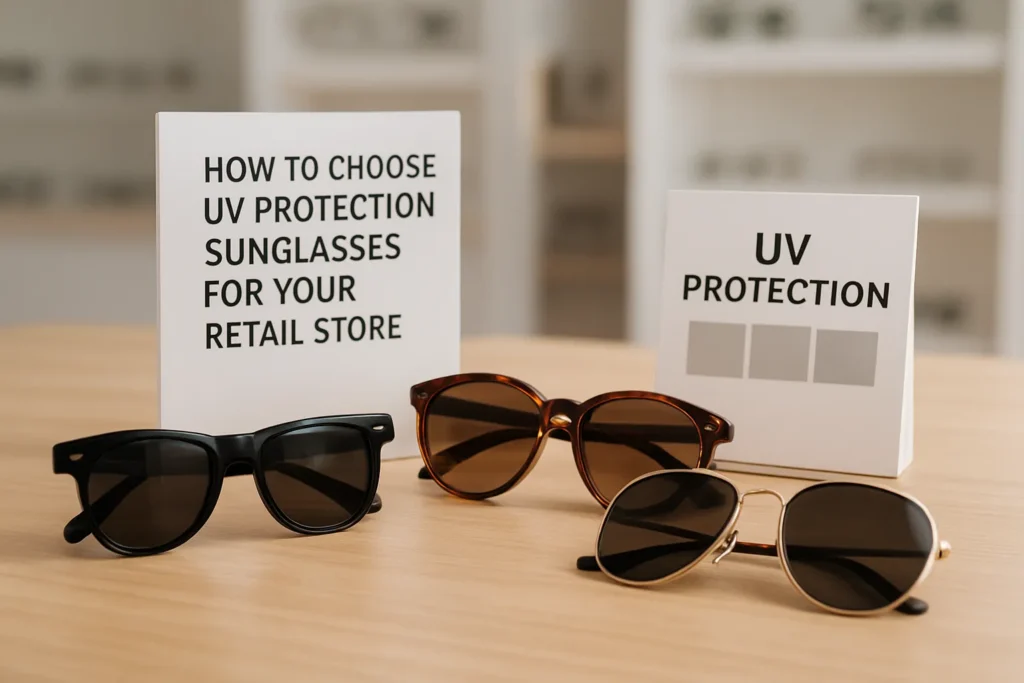
Effective display and merchandising strategies can significantly impact sales. Create eye-catching displays that highlight the UV protection features of the sunglasses. Use signage to educate customers about the importance of UV protection while showcasing various styles and price points.
*Staff Training on Product Knowledge*
Investing in staff training is essential for ensuring your employees can effectively communicate the benefits of UV protection sunglasses to customers. Equip them with knowledge about different lens types, frame materials, and the importance of UV protection, enabling them to provide informed recommendations.
*Marketing UV Protection Sunglasses*
Marketing efforts should emphasize the health benefits of UV protection sunglasses. Utilize social media, email newsletters, and in-store promotions to raise awareness. Collaborating with local health professionals to host events can further educate the community about the importance of eye protection.
**7. Frequently Asked Questions**
*Common Misconceptions about UV Protection*
Addressing common misconceptions about UV protection can help educate your customers. Many people believe that only dark lenses provide UV protection, which is not true. Ensure your staff is well-versed in these details to provide accurate information.
*How to Educate Customers*
Utilize brochures, in-store displays, and social media content to educate customers about UV protection. Providing clear, concise information can help customers make informed purchasing decisions and increase trust in your brand.
*Warranty and Return Policies*
Having a clear warranty and return policy for sunglasses can enhance customer confidence. Ensure your policies are straightforward and communicated effectively, allowing customers to feel secure in their purchases.
**Conclusion**
Choosing UV protection sunglasses for your retail store involves understanding the importance of UV protection, selecting the right specifications, and effectively marketing these products to your customers. By considering the factors outlined in this article, you can create a compelling selection that meets customer needs while promoting eye health. Prioritizing quality and education will not only enhance your store’s reputation but also contribute to customer satisfaction and loyalty.