
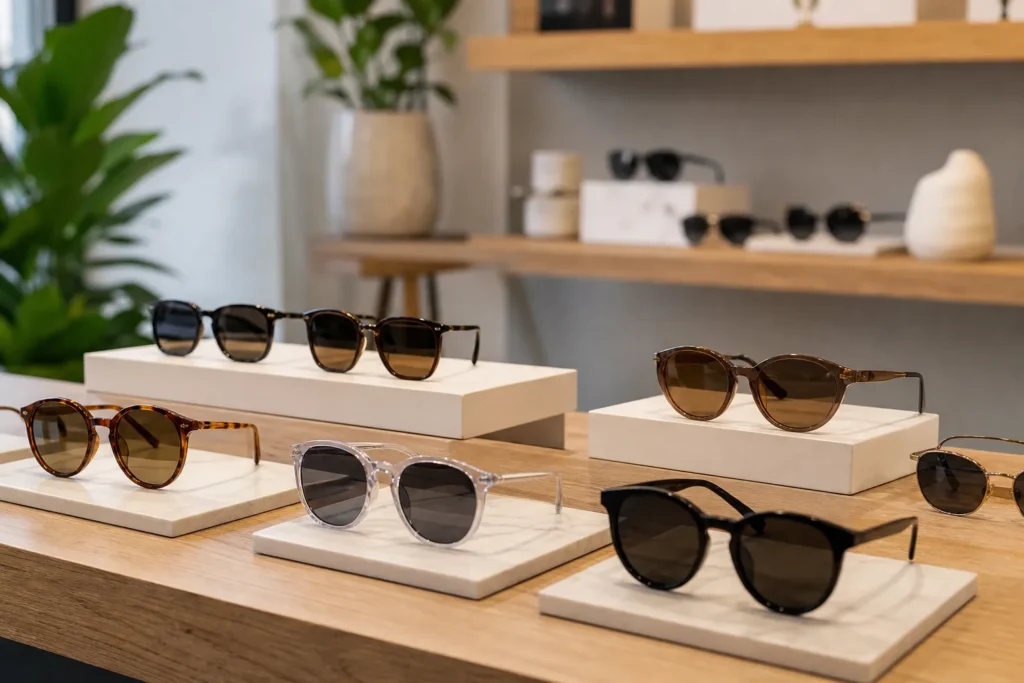
The Essential Guide to Casual Sunglasses Trends in Retail
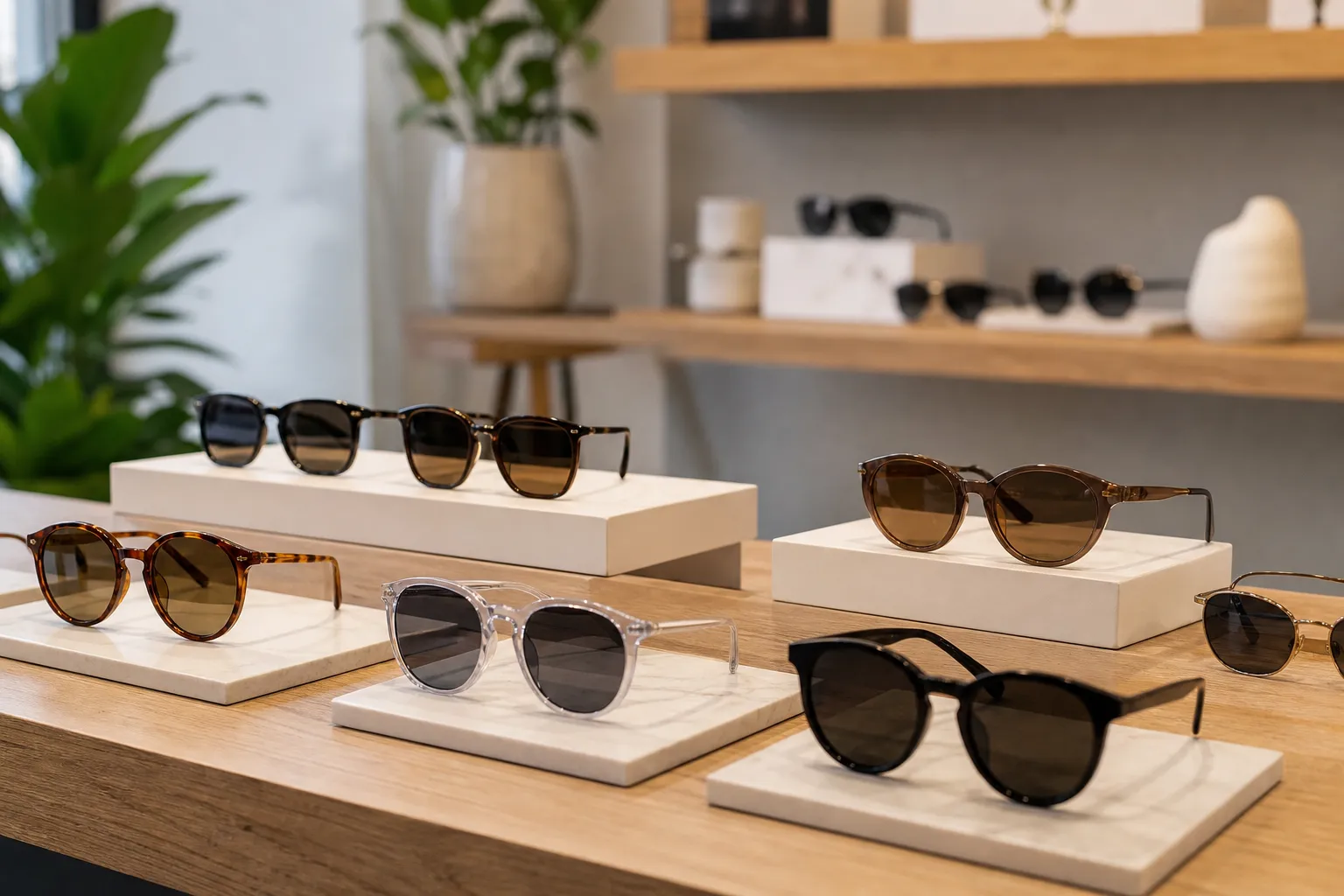
Casual sunglasses have transformed over the years from simple functional accessories into pivotal fashion statements that resonate with consumers across all demographics. Not only do these eyewear pieces shield our eyes from harmful UV rays, but they also serve as a canvas for personal style, making them indispensable in any retail environment. In my experience, understanding the significance of casual sunglasses can empower retailers to tailor their offerings to meet consumer preferences effectively, ultimately boosting sales.
Current Trends in Trendy Eyewear
As we navigate through 2023, several styles of casual sunglasses are gaining popularity. Oversized frames, cat-eye silhouettes, and retro round designs are making a significant comeback, appealing to a diverse demographic that spans from millennials to older generations. In my opinion, the resurgence of these styles reflects a broader desire for individuality in fashion. Additionally, the trend towards sustainable eyewear is increasingly prominent, as more brands commit to eco-friendly materials and production methods.
Color trends are equally noteworthy this season. Bold hues such as vibrant reds, deep blues, and earthy tones dominate the market, allowing consumers to express their unique personalities. Furthermore, materials like recycled plastics and biodegradable components are becoming more prevalent, aligning with the growing consumer demand for sustainability in fashion.
Key Specifications to Consider
When selecting casual sunglasses for your retail lineup, it’s crucial to factor in specifications that impact both functionality and customer satisfaction. For instance, lens types are paramount; polarized lenses offer excellent glare reduction, making them ideal for outdoor activities. I believe that ensuring sunglasses provide 100% UV protection is non-negotiable for customer safety.
Frame materials also deserve attention. Lightweight yet durable options like acetate and stainless steel are favored for their comfort and longevity. Retailers should focus on sunglasses that strike a balance between style and durability, ensuring they can withstand the rigors of daily wear.
Use Cases for Casual Sunglasses
Understanding seasonal demand and events can greatly influence inventory decisions. For example, the summer months typically see a surge in sunglasses sales, driven by outdoor activities like beach outings and music festivals. Retailers should prepare for these seasonal peaks by stocking trendy eyewear that meets consumer needs during these high-demand periods.
Target demographics are another vital consideration. Younger consumers often gravitate towards bold, fashion-forward styles, while older customers might prefer classic, timeless designs. By tailoring inventory to cater to these distinct demographics, retailers can enhance customer satisfaction and drive sales.
Sourcing Casual Sunglasses
Finding reliable suppliers is essential for retailers aiming to stock casual sunglasses. Attending trade shows, exploring online marketplaces, and networking within the industry can help identify reputable manufacturers. It’s critical to evaluate potential suppliers based on their reputation, product variety, and ability to meet demand.
Quality and price evaluation is another crucial aspect of the sourcing process. Retailers should request samples to assess the durability and comfort of the sunglasses. Additionally, comparing price points across different suppliers can help ensure competitive pricing without sacrificing quality.
Implementation Strategies for Retailers
Effective display and merchandising strategies can significantly impact customer purchases. Crafting eye-catching displays that showcase the latest trends in casual sunglasses can attract attention and promote impulse buys. Using mannequins or lifestyle imagery helps customers visualize how the sunglasses fit into their everyday lives, which can enhance the shopping experience.
Marketing strategies also play a vital role in promoting casual sunglasses. By leveraging social media platforms to highlight new arrivals and share customer testimonials, retailers can boost brand visibility. Collaborating with influencers in the fashion and lifestyle sectors can further drive engagement and attract a wider audience.
Comparison of Top Brands
When considering casual sunglasses, comparing top brands can provide valuable insights for retailers. For example, Brand A may offer a diverse array of trendy eyewear at a mid-range price point, appealing to budget-conscious consumers. Conversely, Brand B could focus on premium materials and craftsmanship, justifying a higher price tag.
Conducting a price point analysis aids retailers in understanding market positioning and identifying opportunities for differentiation. By providing a mix of brands that cater to various consumer segments, retailers can optimize their inventory and reach a broader audience.
Frequently Asked Questions
Retailers often have common questions regarding casual sunglasses. One frequent inquiry involves the best ways to engage customers. I recommend providing knowledgeable staff who can educate customers about lens types and UV protection, ultimately enhancing the shopping experience and building trust.
Another concern is the seasonal nature of sunglasses sales. Retailers can counteract this by promoting sunglasses during off-peak seasons, such as through winter sports campaigns or holiday gift guides. Engaging customers year-round ensures consistent sales and fosters brand loyalty.
In conclusion, selecting the right casual sunglasses for your retail store requires a keen understanding of current trends, key specifications, and effective sourcing and marketing strategies. By aligning your inventory with consumer preferences and implementing strategic display techniques, you can elevate customer engagement and drive sales. With the right approach, casual sunglasses can become a profitable and essential part of your retail offerings.